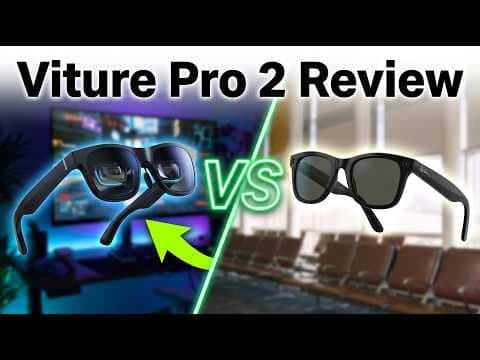
Must WatchVideo
I Tested The $299 Viture Pro 2 vs The Meta Ray-Bans
A hands-on comparison video testing the Viture Pro 2 against Ray-Ban Meta Smart Glasses, evaluating performance, features, and value at the $299 price point.
Futurum
Finer Gear
AI glasses, camera eyewear, AR displays, and audio-enabled frames for creators, commuters, and early adopters.
Featured
A hands-on comparison video testing the Viture Pro 2 against Ray-Ban Meta Smart Glasses, evaluating performance, features, and value at the $299 price point.

A comprehensive guide explaining what smart glasses are, how they work, the major types (camera, AR display, audio-focused), and practical use cases and tradeoffs for consumers evaluating which type to buy.
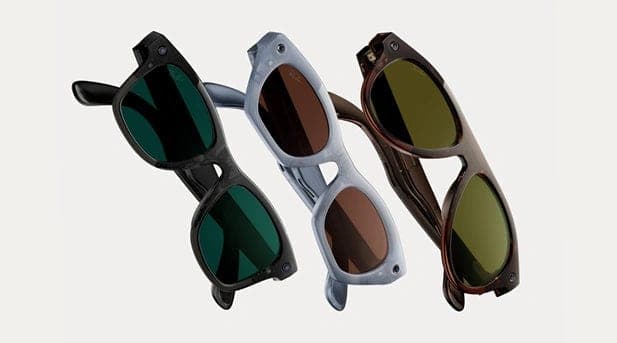
Ray-Ban Meta users reported on October 13, 2026, that their glasses saved audio recordings and transcripts without activating the 'Hey Meta' wake phrase. Meta confirmed the issue was resolved but did not disclose the cause or number of affected devices.
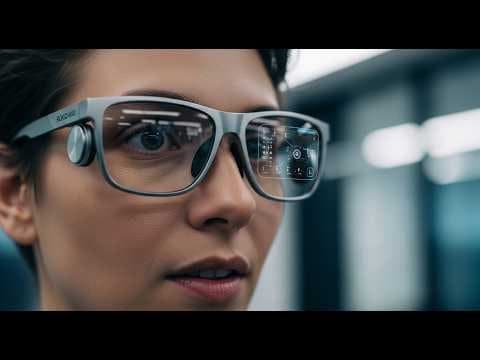
A hands-on video review of Rokid AR display glasses, covering the hardware design, optical performance, and real-world AR functionality.
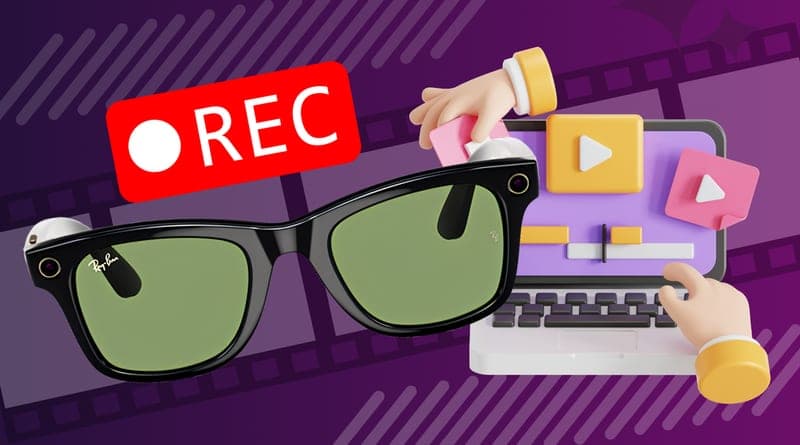
A practical guide for creators using Ray-Ban Meta Smart Glasses to capture first-person video content, covering setup, capture techniques, import workflows, and editing strategies.
The best new content, once a week. No noise, unsubscribe anytime.

A detailed guide explaining how to obtain prescription lenses for smart glasses, covering the differences between direct-replacement frames and optical inserts, the critical role of Pupillary Distance measurement for micro-displays, and the options for fulfillment through retailers, labs, and local opticians.
A structured guide to understanding AI smart glasses by breaking down the capability stack—what inputs they accept, what AI functions they perform, how results are delivered, and what dependencies exist—rather than treating AI as a single monolithic feature.

A video assessment of whether Ray-Ban Meta Smart Glasses remain a worthwhile purchase after Meta introduced a subscription model for AI features.
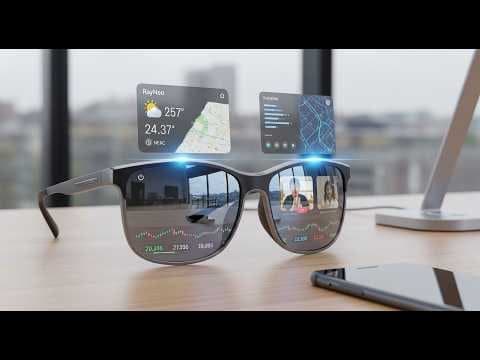
A hands-on review of the RayNeo Air 4 Pro AR glasses, evaluating its display quality, optical performance, and real-world usability improvements over previous generations.

A practical guide on responsible smart glasses use, covering privacy etiquette, recording consent, and the legal landscape around audio and video capture with wearable camera devices.
A practical guide explaining how prescription vision correction works across different smart glasses models, covering direct lenses, inserts, diopter adjustment, and ordering processes specific to each brand.

A comparison video examining the differences between the XREAL One Pro+ and One Pro AR display glasses models, helping viewers decide whether the upgraded version justifies its additional cost.

Video comparison of Ray-Ban Meta generations 1, 2, and 3, evaluating whether the newest model justifies an upgrade over previous versions.
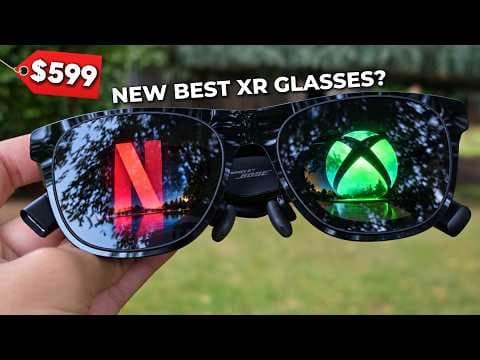
Video comparison of three AR display glasses: XREAL 1 Pro+, Viture Beast, and RayNeo GT Max, evaluating optics, performance, and use-case fit.

A structured guide to smart audio glasses, covering acoustic design, call support, privacy, battery life, prescription compatibility, and decision criteria for buyers evaluating open-ear audio eyewear.
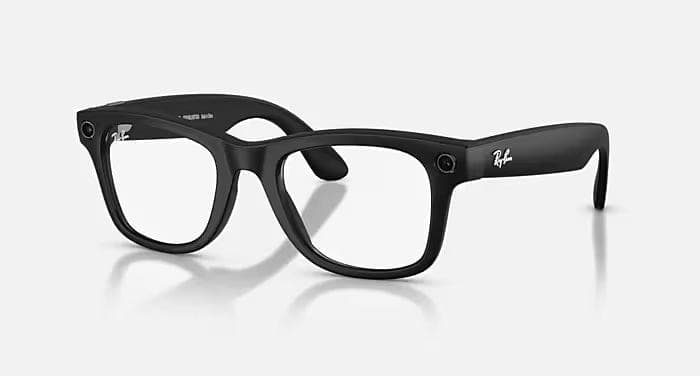
A guide explaining how prescription lens options work with Ray-Ban Meta Smart Glasses, covering why vision correction matters for daily smart glasses use and how to obtain and fit prescription lenses to the frames.
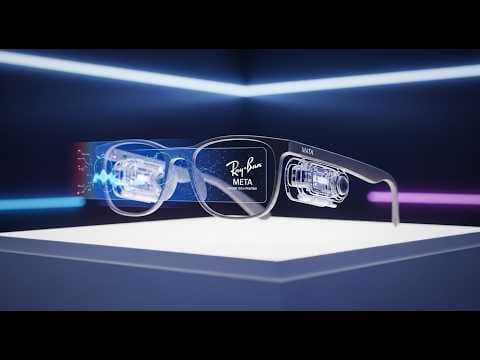
A hands-on preview of Ray-Ban Meta Smart Glasses covering camera performance, AI assistant integration, and real-world usability for early adopters.

A comprehensive guide explaining how AR smart glasses work, distinguishing between glanceable HUD glasses, personal virtual-display glasses, and environment-aware spatial AR glasses, with a framework for evaluating options based on tracking, optics, and compatibility.
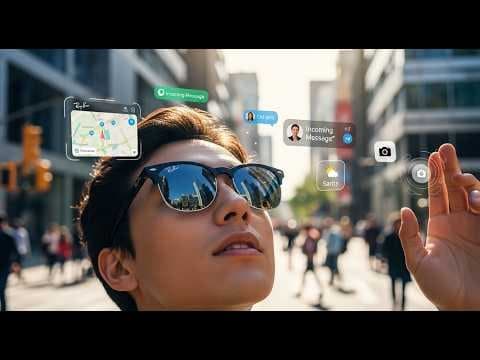
A forward-looking analysis of Ray-Ban Meta Smart Glasses' trajectory, discussing potential hardware upgrades, software features, and competitive positioning in the smart eyewear market.

A structured guide helping athletes identify what smart glasses features actually matter for training—covering performance HUDs, camera glasses, audio frames, and the difference between sporty-looking frames and sport-specific technology.
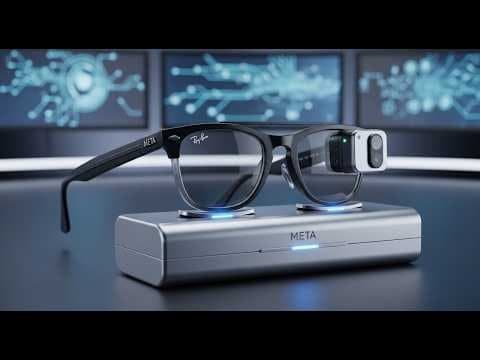
A hands-on preview of the Ray-Ban Meta Smart Glasses, exploring camera performance, AI assistant capabilities, and real-world usage scenarios for early adopters.
A practical guide comparing smart glasses options across different sports and activities—running, cycling, hiking, golf, gym, skiing, water sports—with advice on which features matter most for each use case.

Video demonstration of smart glasses performing real-time language translation functionality, showcasing practical AI assistant capabilities.
A structured buying guide for smart glasses that walks readers through choosing based on use case, then verifying hardware, apps, connectivity, AI features, display technology, prescription compatibility, and total cost of ownership.
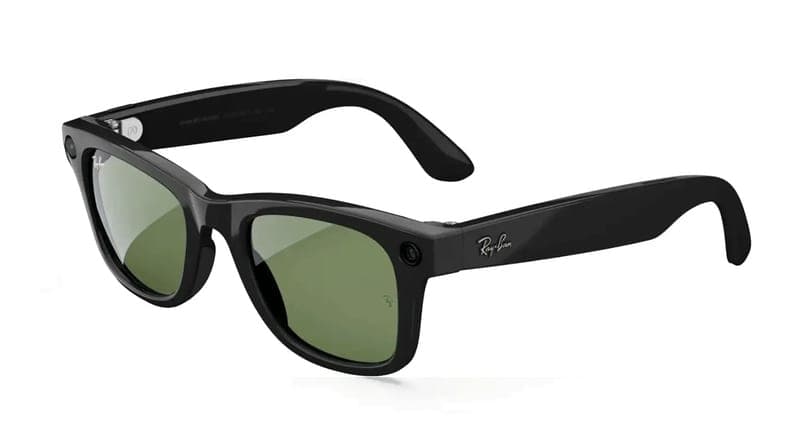
Comprehensive guide testing battery life, lens durability, and overall longevity of Meta Ray-Ban Smart Glasses under real-world usage scenarios.

A feature-by-feature breakdown of how different smart glasses models integrate with iPhone, covering Bluetooth pairing, companion apps, camera transfers, AI features, and display output across audio, camera, and AR glasses categories.
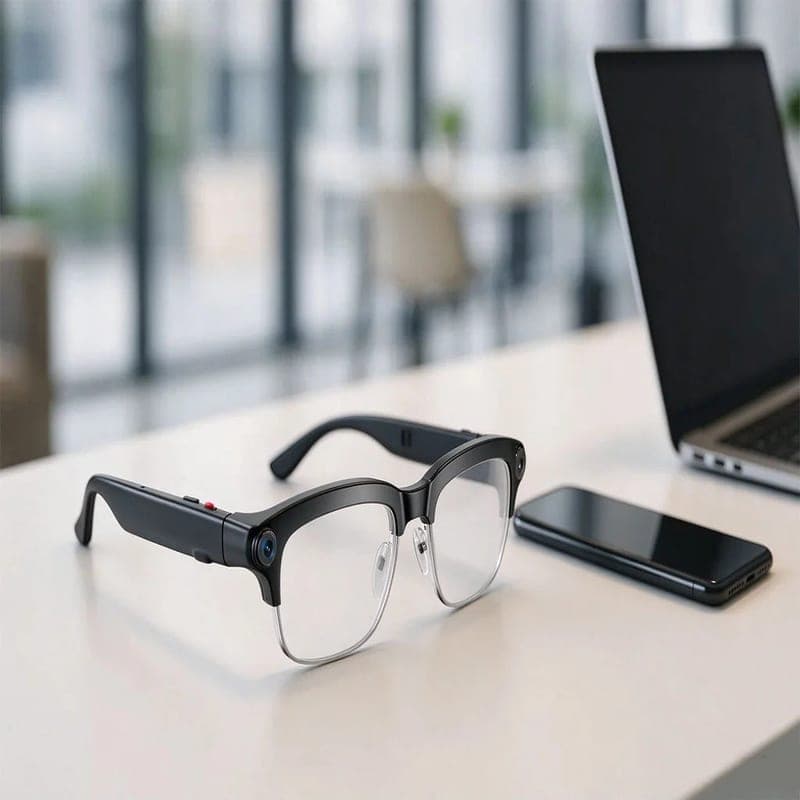
A practical guide to recording responsibly with camera glasses, covering legal jurisdictions, consent, audio recording rules, capture indicators, file storage, and AI privacy concerns. Compares privacy practices across Ray-Ban Meta, Brilliant Labs, and other models.
A detailed guide explaining how Android smartphone compatibility works across different smart glasses models, breaking down the layers of connection, apps, and feature support rather than treating it as a simple yes-or-no specification.

A comprehensive guide explaining how AI assistants work in smart glasses, the different types of interaction models, and what to look for when choosing a pair. Covers the distinction between glasses with cameras, microphones, displays, and actual conversational AI capability.
A comprehensive guide to understanding privacy risks and data flows in smart glasses, examining how cameras, microphones, companion apps, and AI assistants handle personal data and what users should know before buying.
A buying guide that explains how to evaluate smart glasses value at lower price points by matching capability needs to cost, rather than chasing the lowest sticker price alone.